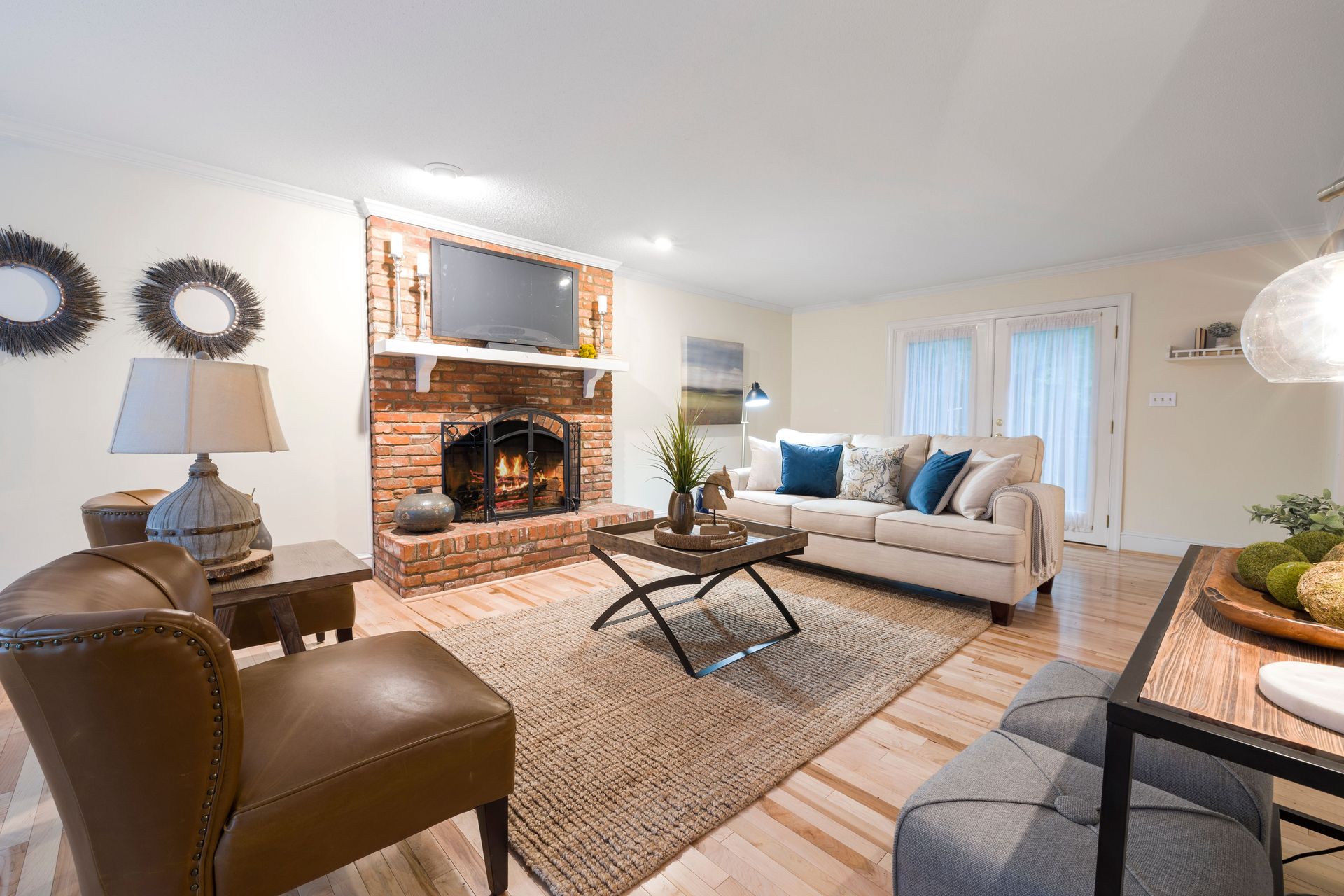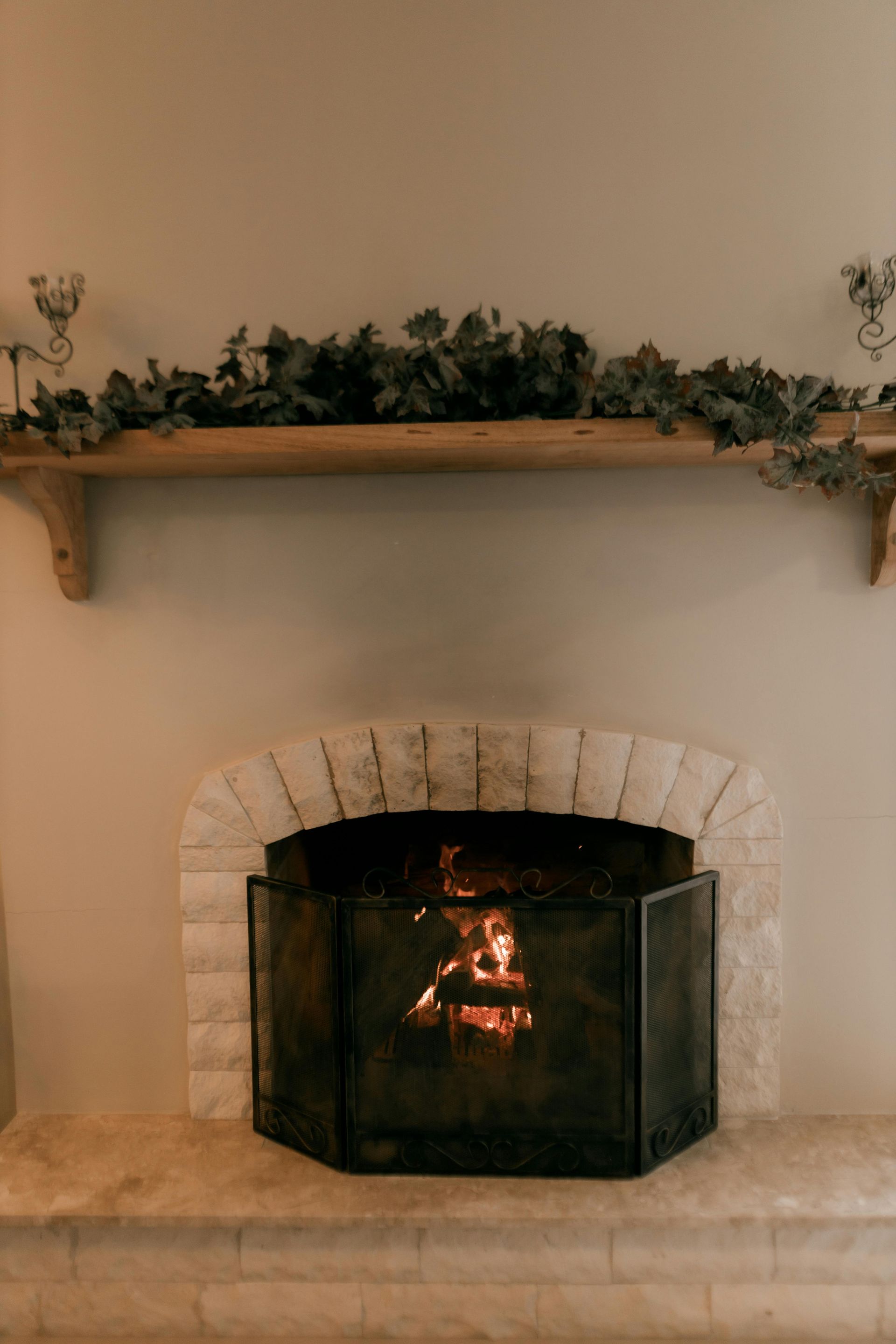
A fireplace does a lot of work in a Utah home. It takes the edge off a cold Wasatch Front morning, it pulls a room together, and done right it can even trim your heating bill. But before you fall for a look, you have to pick a fuel. Gas, wood, and electric each heat differently, cost different amounts to run, and ask different things of you over the years.
Here is a straight comparison of all three, with the local details that actually matter here in Utah County, so you can choose the one that fits your home, your budget, and how much upkeep you want to sign up for.
Gas fireplaces
Gas is the most popular option we install, and it is easy to see why. You get instant heat and a real flame at the flip of a switch, with no logs to haul and no ash to clean up. Most homes along the Wasatch Front already have natural gas service, so fueling one is simple and inexpensive. In the more rural, higher-elevation pockets around Elk Ridge and the south end of the county, propane is common, and a gas unit runs just as well on it.
Modern gas fireplaces and inserts are efficient heaters, not just decoration. A direct vent model draws combustion air from outside and sends exhaust back out through the same wall or roof, so it keeps your indoor air clean and holds onto most of the heat it makes. If you want warmth without the work, gas is usually the answer.
The tradeoffs: you are tied to a gas or propane supply, the flame pattern is steadier and more uniform than a live wood fire, and the unit still needs an annual check to keep the burner, venting, and safety controls working the way they should.
Wood-burning fireplaces
Nothing quite matches a real wood fire. The crackle, the smell, the heat rolling off the hearth. If ambiance is the whole point, wood delivers in a way gas and electric only imitate.
It also asks the most of you. You need a supply of seasoned firewood, somewhere dry to store it, and the patience to build and tend a fire. Every time you burn, you leave behind creosote, a sticky and flammable residue that builds up inside the flue. Utah's dry air does not change that. A wood-burning system needs a professional chimney sweep and inspection at least once a year to stay safe, because that buildup is what starts chimney fires when it gets ignored.
There is a local wrinkle too. On winter inversion days, the state issues wood-burning restrictions across the Wasatch Front, and on the worst air-quality days solid-fuel burning is off the table entirely. If wood is your only heat source you can apply for an exemption, but for most homeowners those red-air days mean the wood fireplace sits cold for a stretch each winter.
Electric fireplaces
Electric fireplaces are the most flexible of the three. They plug in, they need no chimney, flue, or gas line, and you can put one almost anywhere, including bedrooms, basements, condos, and rentals where venting is not an option. Installation is quick and the upfront cost is usually the lowest.
The flame is a lighted effect rather than combustion, and the heat comes from an electric element, so think of an electric unit as supplemental warmth for a room or two rather than a whole-home heat source. On the plus side, there is nothing to burn, no emissions indoors, and almost no maintenance beyond the occasional dusting.
If you are after a clean look, an easy install, and cozy ambiance without a project, electric is worth a serious look.
Gas vs. wood vs. electric at a glance
| Gas | Wood | Electric | |
|---|---|---|---|
| Heat output | High, heats a room or zone | High, harder to control | Low to moderate, supplemental |
| Upfront cost (installed) | $$ moderate | $$$ highest with masonry | $ lowest |
| Running cost | Low | Varies with firewood | Moderate, depends on use |
| Maintenance | Annual service | Annual sweep and inspection | Minimal |
| Ambiance | Realistic, steady flame | Unmatched, live fire | Simulated flame |
| Venting needed | Yes, direct vent or B-vent | Yes, chimney and flue | None |
| Best for | Everyday warmth, low effort | Purists who want a live fire | Flexible spaces, quick installs |
Cost tiers are general guidance, not quotes. Your home's setup, gas or propane, venting, and the unit you choose all move the number. We are glad to give you a real figure after a quick look at your space.
So which one should you choose?
- Want dependable heat with almost no effort? Go gas. It is the best all-around choice for most Utah homes, especially if you already have natural gas at the house.
- Living somewhere rural or off the gas grid? A propane gas unit gives you the same convenience without a natural gas line.
- Chasing that real-fire experience? Wood is for you, as long as you are ready for annual sweeps and the occasional no-burn day.
- Renting, finishing a basement, or warming a bedroom? Electric is fast, affordable, and needs no venting.
- Already have an old wood fireplace you rarely use? You do not have to start over. Many homeowners convert an existing wood fireplace to gas and get instant warmth out of the space they already have.
Frequently asked questions
Are gas fireplaces cheaper to run than wood?
Usually, yes. Natural gas is inexpensive in Utah, and a modern gas unit turns most of its fuel into usable heat. Wood can be cheap if you cut and season your own, but once you factor in buying firewood, storage, and annual chimney cleaning, gas often comes out ahead on both money and effort.
Can I turn my wood-burning fireplace into a gas one?
Yes. Converting a wood fireplace to gas is one of the most common projects we do. We assess your existing firebox and venting, then install a gas insert or log set sized for the space, on either natural gas or propane. You keep the look of your fireplace and gain instant, cleanup-free heat.
Do electric fireplaces actually put out heat?
They do, but think of it as supplemental. Most electric units warm a room or two rather than a whole house. They are a great fit where you want cozy ambiance and a little extra warmth without adding a vent or a gas line.
Which type adds the most value to my home?
In the Utah market, a well-installed gas fireplace tends to offer the strongest mix of buyer appeal and everyday usefulness, because it looks great and people will actually use it. A clean, updated wood-burning fireplace still carries plenty of charm for buyers who want the real thing.
Do I still need inspections if I switch to gas?
Yes, just less involved. A gas fireplace does not build creosote, but the burner, venting, and safety controls should be checked once a year so it keeps running safely and efficiently. If you burn wood, an annual sweep and inspection is not optional. It is how you prevent chimney fires.
Not sure which fireplace fits your home?
Talk it through with a local team that installs, converts, and services all three. Love's Fireplaces is veteran owned, CSIA certified, and has spent over 20 years keeping Utah County homes warm and safe.