We’ve Prevented Over 100 Potential House Fires Through Routine Fireplace Inspection and Chimney Cleaning
Every year, homeowners light their fireplaces expecting warmth and comfort. What many do not realize is that hidden inside the chimney system can be serious fire hazards.
Through routine fireplace inspections and professional chimney cleaning, we have prevented over 100 potential house fires. In nearly every case, the homeowner had no idea there was a problem.
Regular inspection is not simply maintenance. It is one of the most important steps you can take to protect your home and family.

Why Annual Fireplace Inspection Is Critical for House Fire Prevention
Most dangerous chimney issues develop slowly over time. They are rarely visible from the outside and often produce no immediate warning signs.
Why Annual Fireplace Inspection Is Critical for House Fire Prevention
When wood burns, it produces smoke that condenses along the inner chimney walls. This residue forms creosote, a highly flammable substance.
As creosote thickens, it becomes increasingly combustible. If internal chimney temperatures rise high enough, that buildup can ignite and cause a chimney fire that spreads into surrounding framing.
Professional chimney cleaning removes this material before it becomes a serious risk.
Cracked Flue Liners Allow Heat to Reach Combustible Materials
The flue liner acts as a protective barrier between high heat and your home’s structure. When liners crack or deteriorate, extreme heat can transfer directly to wood framing and insulation.
These cracks are often invisible without professional equipment. Early repair prevents structural fire spread and costly damage.
Blocked Chimneys Create Fire and Carbon Monoxide Hazards
Bird nests, leaves, debris, and animal intrusion can restrict airflow inside a chimney.
Blocked ventilation can force smoke back into the home or trap dangerous carbon monoxide gases. A professional inspection ensures the venting system is clear and drafting correctly.
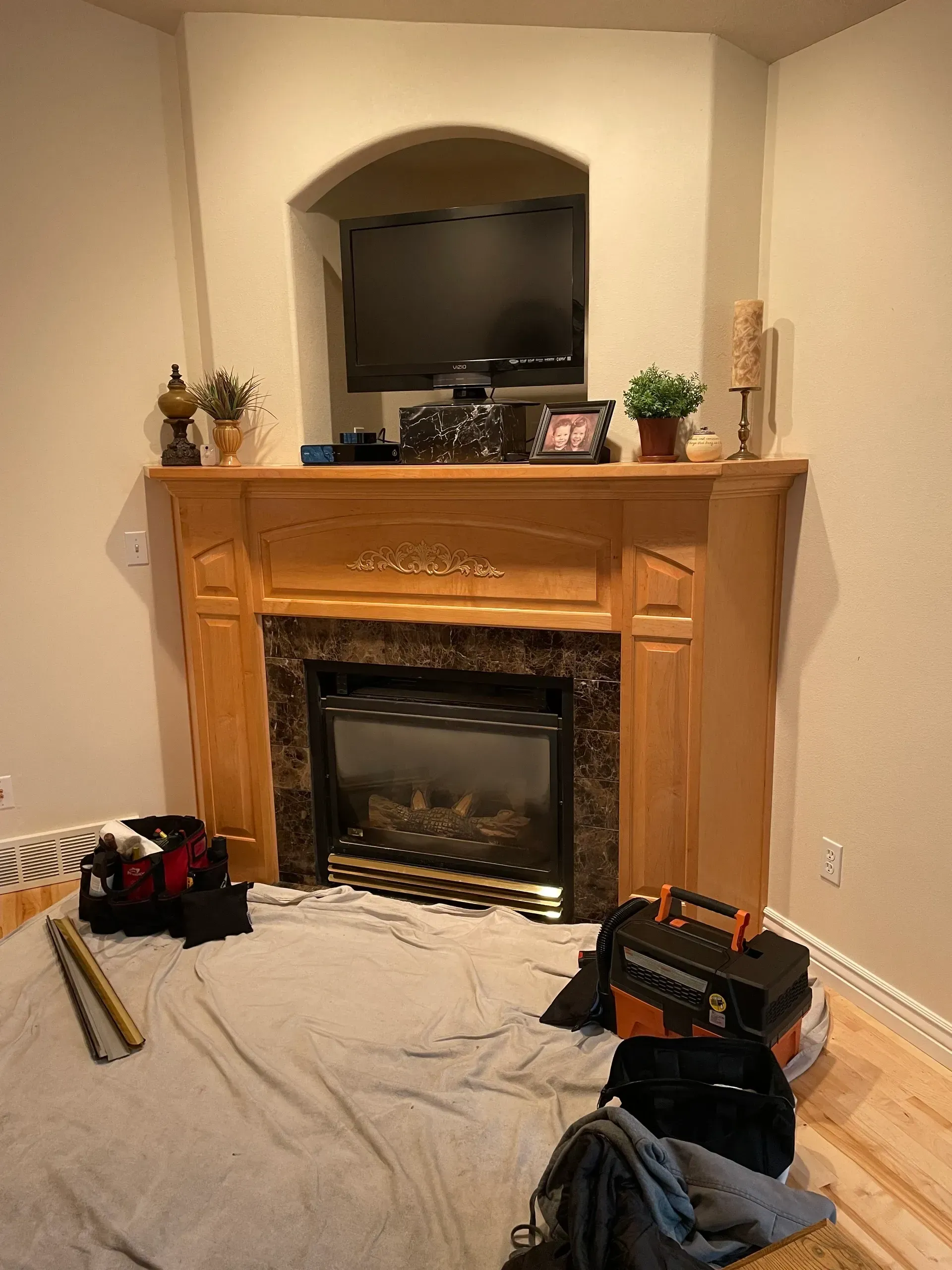
Common Fireplace Problems Homeowners Often Miss
Many homeowners assume that if their fireplace lights properly, everything is safe. Unfortunately, some of the most dangerous problems show no obvious symptoms.
Deteriorating Masonry and Chimney Crown Damage
Water intrusion is a major contributor to chimney damage. Cracked crowns and missing mortar joints allow moisture to seep in. Over time, freeze and thaw cycles expand those cracks and weaken the structure.
Routine inspection identifies early masonry damage before it becomes severe.
Firebox and Refractory Panel Damage
The firebox absorbs intense heat every time you burn wood. Over time, firebrick and refractory panels can crack or degrade.
Damaged fireboxes increase fire risk and reduce fireplace efficiency.
Damper Malfunction Reduces Safety and Efficiency
The damper regulates airflow through the chimney. If it does not open fully, smoke can back up into your home. If it does not close properly, heated air escapes and reduces efficiency.
Inspection confirms proper damper operation before seasonal use.
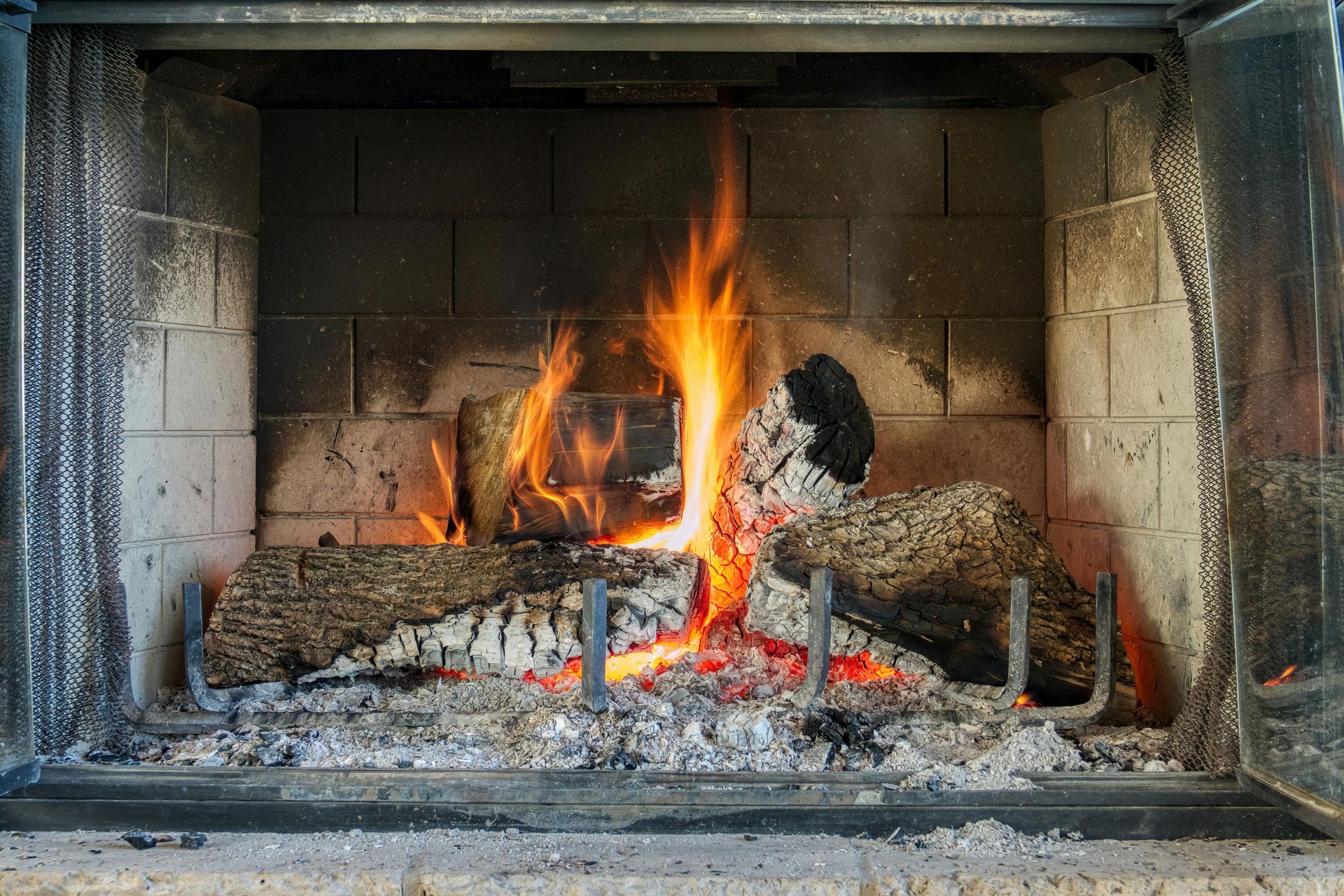
How Often Should You Schedule Fireplace Inspection and Chimney Cleaning
The National Fire Protection Association recommends annual chimney inspection.
Even fireplaces used occasionally can develop structural issues or blockages. If you burn wood regularly, annual chimney cleaning is essential to remove creosote buildup and maintain safe operation.
Preventative maintenance costs far less than repairing fire damage.
Protect Your Home with Regular Fireplace Inspection and Cleaning
Your fireplace should provide warmth and comfort, not hidden danger.
Annual inspection and cleaning:
• Reduce the risk of chimney fires
• Improve heating efficiency
• Extend system lifespan
• Protect indoor air quality
• Preserve home value
We have prevented over 100 potential house fires by catching dangerous hazards before they spark.
If it has been more than a year since your last inspection, now is the time to schedule service and ensure your fireplace is safe for the season.