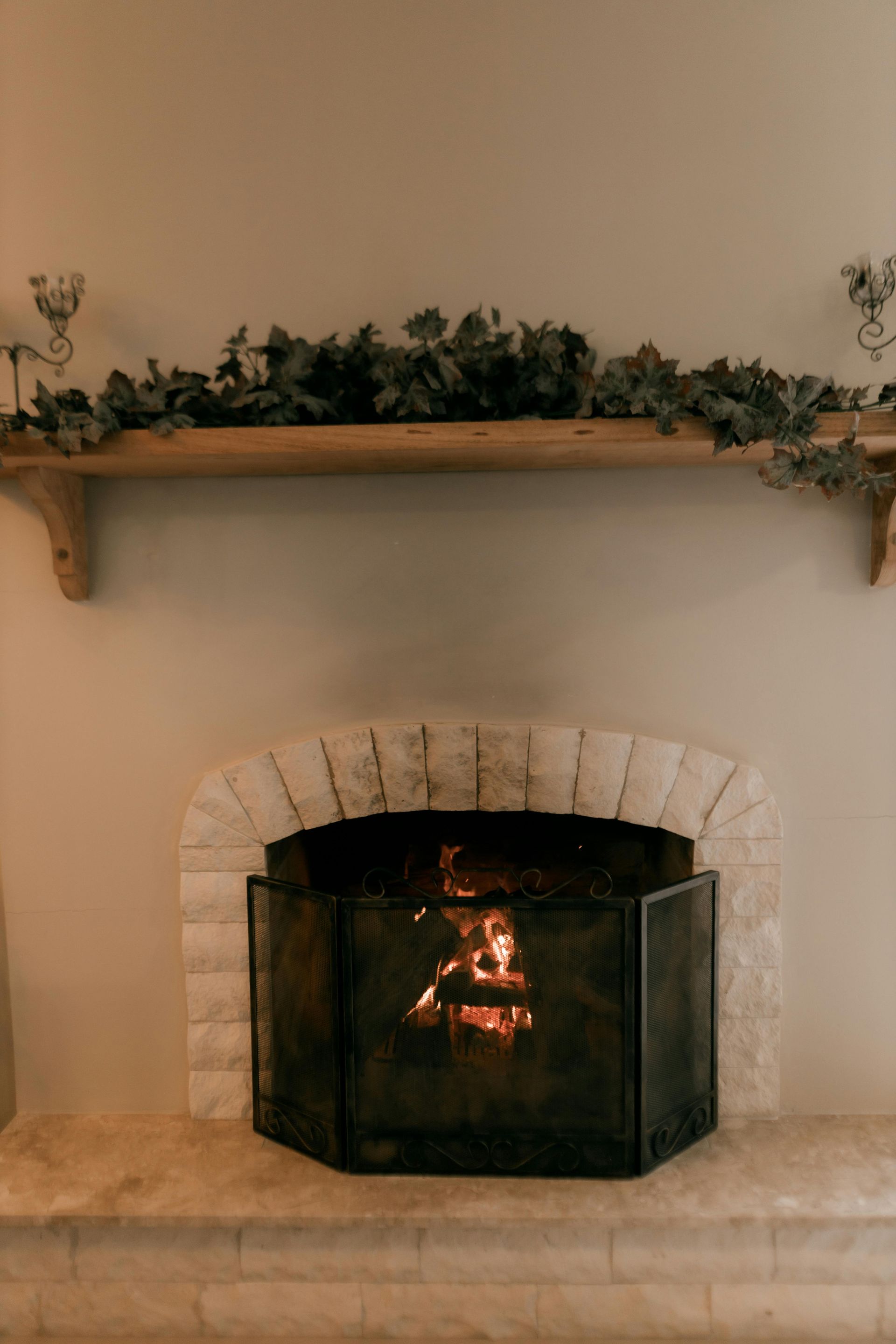
Gas fireplaces are one of the safest ways to heat a room, and they are cleaner and lower maintenance than burning wood. Like anything that burns fuel, they deserve respect and a little routine care. Here is a straight look at gas fireplace safety, including carbon monoxide, so you can enjoy yours with confidence.
How gas fireplaces stay safe
A modern direct vent gas fireplace is sealed behind glass. It draws combustion air from outside and sends all exhaust back outside, so the byproducts of burning never enter your living space. Units also include safety features like a thermocouple or thermopile that shuts off the gas if the pilot flame goes out. Installed and maintained correctly, that adds up to a very safe appliance.
What about carbon monoxide?
Carbon monoxide, or CO, is a byproduct of burning any fuel. It is colorless and odorless, which is what makes it dangerous. A properly installed and vented gas fireplace sends CO safely outside. Problems generally come from something going wrong, like a blocked or damaged vent, a cracked component, or a unit that was installed or serviced poorly. That is why venting and annual service matter so much.
Warning signs to watch for
- A carbon monoxide detector alarm. Never ignore it.
- Headaches, dizziness, nausea, or drowsiness that ease when you leave the house.
- Soot or staining around the fireplace.
- A yellow, flickering, or sooty flame when it should burn cleaner.
- A strong or unusual smell when the fireplace runs.
If a CO alarm sounds or anyone feels symptoms, get everyone outside to fresh air first, then call for help. Do not go back inside to investigate.
How to keep your gas fireplace safe
- Install carbon monoxide detectors and keep fresh batteries in them.
- Have the fireplace professionally serviced once a year, including the venting.
- Keep the area around the fireplace clear.
- Call a technician at the first sign of a problem instead of waiting.
Frequently asked questions
Do gas fireplaces produce carbon monoxide?
They produce some as a byproduct of combustion, like any fuel-burning appliance. A properly vented unit sends it safely outside, which is why correct venting and annual service are essential.
Do I need a carbon monoxide detector with a gas fireplace?
Yes. CO is odorless, so a working detector is your most important safety layer with any fuel-burning appliance.
Is it safe to leave a gas fireplace on?
Follow the manufacturer's guidance, and never run it unattended overnight or leave it on when you are away. When in doubt, turn it off.
How often should a gas fireplace be serviced?
Once a year. An annual check of the burner, venting, and safety controls keeps it running safely and efficiently.
Want peace of mind about your gas fireplace?
Love's Fireplaces is veteran owned, CSIA certified, and has spent over 20 years keeping Utah County fireplaces running safely. Schedule your annual service with us.